
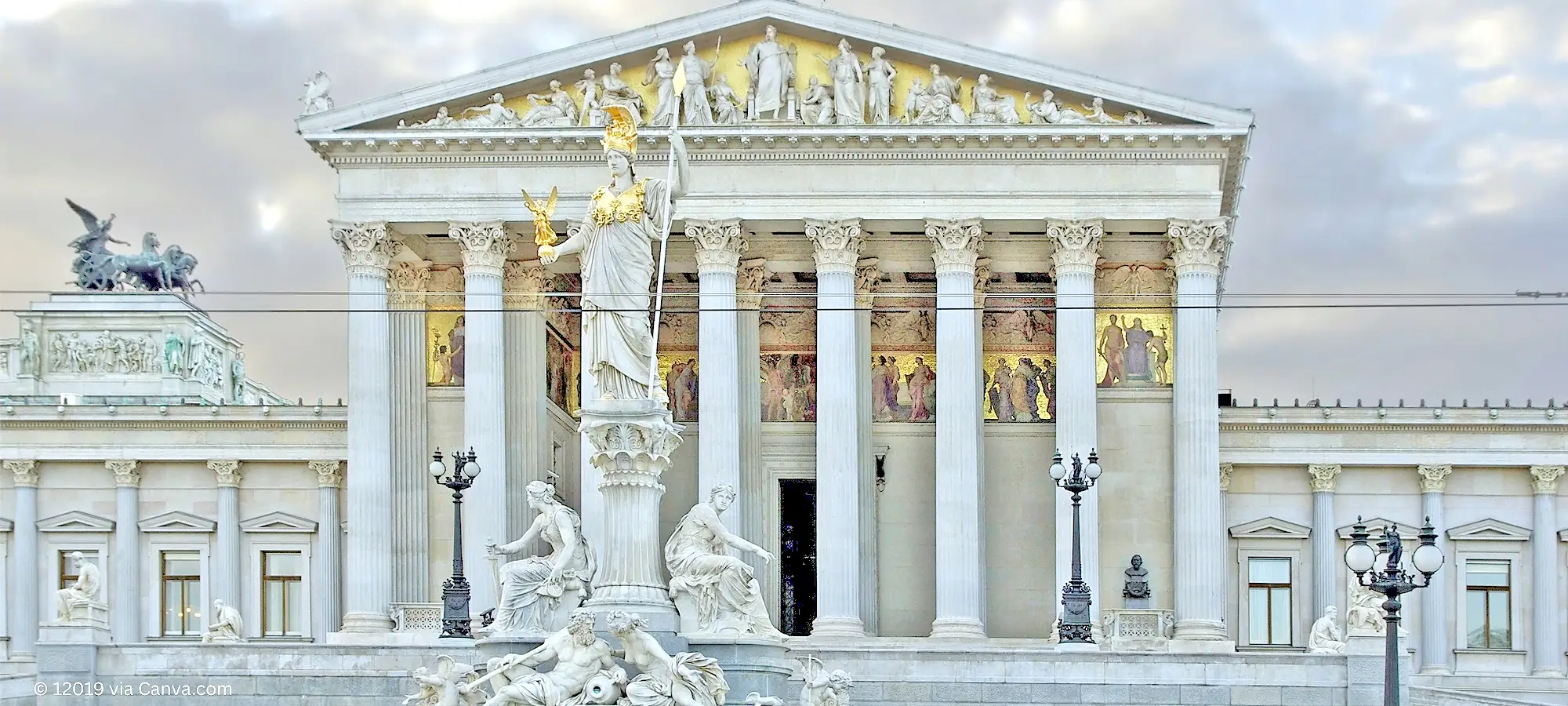
Vienna Travel FAQ 2027: 20 Honest Answers for First-Time Visitors
-
Visa Required (UK)?
No (90 days)
-
Currency
Euro (€)
-
Flight from London
~2h 20m
-
Best Season
Apr-Jun / Sep-Oct
-
Main Airport
Vienna (VIE)
-
City Transport
U-Bahn & Tram
Vienna: Your Pre-Trip Questions Answered
Vienna is one of Europe’s easiest capitals to navigate once you know what to expect.
Most first-time visitors have the same questions: is it really that expensive, will three days be enough, what should I do about the Opera, and is the city as safe as it looks? The answers are usually more reassuring than people assume.
With a little advance planning, Vienna rewards you, especially when pre-booking tickets for Schönbrunn Palace, the Spanish Riding School, and classical music venues. The Vienna Attraction Ticket Guide covers all of that in detail.
This page answers 20 of the most frequently asked tourist questions about Vienna, grouped by subject area and written to give you a straight answer rather than a sales pitch.
Remember: Information changes regularly, including entry requirements, transport fares, attraction descriptions, suitability, and ticket prices. Always verify with the official source before you travel.
In This Vienna FAQ Guide
Planning Your Visit & Answering Your Vienna Questions
1. Is Vienna a good city break destination?
Vienna is one of Europe's finest city breaks, full stop. The density of things worth doing within the central area is exceptional. Within 30 minutes of Stephansplatz you have imperial palaces, six world-class museums, a 2,000-year-old city history, and a café culture that is genuinely part of daily Viennese life rather than a tourist performance. According to the Vienna Tourist Board, the city recorded 8.17 million arrivals and over 20 million overnight stays in 2025, a record year that confirms Vienna's sustained appeal to international visitors.
The city is also comfortable in a practical sense: extremely safe, well signposted in English, and connected by a public transport network that puts most European capitals to shame. A 3-4 night stay covers the main landmarks comfortably; a full week allows a relaxed pace with day trips included.
Flight4 Tip: Vienna is one of the best city breaks for solo travellers. The layout of the 1st District is walkable, the U-Bahn goes everywhere else, and the Kaffeehaus tradition means there is always somewhere civilised to sit, read, or plan your next move.
2. How many days in Vienna is enough?
Three full days covers the main highlights without feeling rushed. On this schedule you can visit Schönbrunn Palace, the Hofburg Imperial Apartments, St. Stephen's Cathedral, the Belvedere to see Klimt's The Kiss, walk the Ringstrasse, and spend an evening at the opera or a classical concert. For the full Vienna sightseeing itinerary with a day-by-day breakdown, the dedicated guide has you covered.
Four to five days allows a more relaxed pace with time for the Spanish Riding School, Prater and the Riesenrad, the Naschmarkt, and the outer wine-growing districts. A week-long stay suits travellers who want to explore the 7th District (Neubau), Leopoldstadt, and take excursions to Hallstatt or Bratislava.
3. What is the best month to visit Vienna?
April to June and September to October deliver the most reliably pleasant conditions. Temperatures sit between 14°C and 22°C, crowds are manageable at major attractions, and the city's parks and palace gardens are at their best. Spring brings the Wiener Festwochen arts festival (May-June), which attracts around 100,000 visitors annually.
- July-August: Peak season, hot (regularly 30°C+), highest prices, longest attraction queues. Many Viennese leave on their own summer holidays, which means some independent restaurants and shops close for extended periods.
- December: The Christmas market season transforms Vienna. Rathausplatz, Schönbrunn, and Stephansplatz all host outstanding Christkindlmärkte. Cold (around 2-5°C) but magical.
- January-February: Cheapest time to visit. No queues, significantly lower hotel prices, and the Vienna Opera Ball (late February) is one of Europe's great social events.
Flight4 Tip: If you visit in summer, book Schönbrunn and Belvedere tickets in advance; online booking avoids the entry queues that form from mid-morning. The Vienna attraction ticket guide explains the best booking strategy for each major site.
4. What to do in Vienna for three days?
A practical three-day framework that covers the essential highlights:
- Day 1: Imperial Vienna: St. Stephen's Cathedral and the South Tower viewpoint, Graben and Kohlmarkt streets, the Hofburg Imperial Apartments and Sisi Museum. Evening: book tickets for the Vienna State Opera or a classical concert at Musikverein. The Vienna tours guide lists pre-booked walking tours that cover this area efficiently in a half-day.
- Day 2: Palaces and Art: Schönbrunn Palace Grand Tour in the morning, palace gardens in the afternoon. Transfer to the Belvedere for Klimt's The Kiss and the formal gardens. Dinner near the Naschmarkt.
- Day 3: Local Vienna: Morning in the MuseumsQuartier area (Kunsthistorisches Museum or Leopold Museum). Afternoon at the Prater, including the Riesenrad (Giant Ferris Wheel). Evening at a Heuriger wine tavern in Grinzing or Neustift am Walde.
5. Should Vienna be included in a tour of Austria?
Vienna is the natural start or end point for any Austrian trip, since Vienna International Airport (VIE) handles the majority of international arrivals. The rail connections from Vienna Hauptbahnhof are excellent. A typical Austria circuit combines Vienna (3-4 nights) with Salzburg (2 nights, 2.5-3 hours direct by ÖBB Railjet), the Salzkammergut lake district including Hallstatt, and Innsbruck in the Tyrol.
Bratislava, the Slovak capital, is just 1 hour by direct train and makes an easy half-day or full-day side trip. Budapest in Hungary is 2 hours 20 minutes away and pairs naturally with Vienna for a two-city itinerary. Book ÖBB rail tickets in advance at oebb.at for the best fares.
Getting Around Vienna
6. How to get around Vienna using public transport?
Wiener Linien operates five U-Bahn (metro) lines, 29 tram routes, and over 130 bus lines across a single unified fare zone covering the whole city. This network also covers national S-Bahn commuter trains inside the city limits. The system carries over 2.4 million people daily and is one of the most reliable networks in Europe.
- Single ticket: €3.20 at a machine or €3.00 via the WienMobil app. Valid for 80 minutes with unlimited transfers in one direction.
- 24-hour ticket: €10.20 for paper or €9.70 digitally via the app. Best for a single day of intensive sightseeing.
- 7-day ticket: €28.90 (transferable paper) or €25.20 (digital, non-transferable). Best value for stays of 4+ days.
- Vienna City Card: From €19. Combines transport access with 200+ discounts at museums, restaurants, and shops.
Paper tickets must be validated at the blue stamping machines before travel. There are no turnstiles, but plainclothes inspectors operate daily and the fines are significant. For a full breakdown of routes, airport transfers, and U-Bahn line coverage, see the Vienna transport guide.
Flight4 Tip: Vienna's tram network is one of its great pleasures. Tram routes 1, 2, 71, and D all travel sections of the Ringstrasse and provide an architectural sightseeing tour as a side effect of getting somewhere. There is no extra charge over your standard transport ticket.
7. What are the best places to visit near Vienna?
Vienna's rail connections make it one of the best-positioned European capitals for day excursions. The most popular and practical options:
- Bratislava (Slovakia): 1 hour by direct ÖBB train from Wien Hauptbahnhof. A compact, walkable old town with a hilltop castle, considerably fewer crowds than Vienna, and good restaurants at lower prices. An excellent half-day or full-day trip.
- Wachau Valley: 1-1.5 hours by train to Krems. A UNESCO World Heritage wine-producing valley along the Danube with Melk Abbey (an extraordinary baroque monastery), medieval villages, and excellent local Grüner Veltliner wine. Best visited on a river cruise combining the train one way and boat the other.
- Salzburg: 2.5-3 hours by direct ÖBB Railjet. Mozart's birthplace, a spectacular hilltop fortress, a baroque old town, and Sound of Music filming locations. A day trip is possible but tight; an overnight stay is better.
- Hallstatt: 3.5-4 hours by train and ferry. One of the most photographed villages in Europe, set on a lake beneath steep Alpine cliffs. Recommended as a guided tour from Vienna rather than self-guided, to simplify the connections.
- Klosterneuburg: 20 minutes by train. An impressive Augustinian monastery with views over the Danube, easily added to a half-day.
Guided excursions to all of these destinations are available through the Vienna tours and excursions guide, which covers organised transport options from the city.
Costs, Money & Budget
8. Is Vienna expensive to visit for tourists?
Vienna sits in the mid-to-upper range for European capitals, more expensive than Prague or Budapest and broadly comparable to Amsterdam, and cheaper than London, Zürich, or Copenhagen. A rough daily budget guide (checked August 2026):
- Budget traveller: hostel or budget hotel, 7-day transport pass, Würstelstand meals, free museum collections: approximately £50-70 per person per day.
- Mid-range: 3-star hotel, two restaurant meals, one or two paid attractions: approximately £110-150 per person per day.
- Comfortable: 4-star hotel, full restaurant dining, opera or concert tickets, guided palace tours: £200+ per person per day.
The biggest single cost variables are accommodation (the 1st District commands a premium over outer districts) and evening entertainment. Opera tickets at Vienna State Opera range from €15 in the standing area to €200+ for premium seats. Both extremes are genuine and valid options. The Vienna hotel guide breaks down accommodation costs by district and budget level.
Flight4 Tip: Vienna's Kaffeehaus tradition is one of the great travel bargains. A coffee in Café Central or Café Landtmann costs €4-6 and entitles you to sit for as long as you like, newspapers provided, no pressure to order again. It is an institution, not a tourist trap, and using it as a base for an hour of reading or planning costs roughly the same as a takeaway coffee elsewhere.
9. Is it expensive to eat out in Vienna?
Vienna covers a wide price range, and knowing the options makes a significant difference to your daily spend. At the affordable end, Vienna's Würstelstände (sausage stands) serve Käsekrainer (cheese-filled sausage) and Bratwurst from around €5.50-6.50. These are genuinely eaten by locals at all hours, not a tourist novelty. The Naschmarkt's 120-plus stalls offer a broad range of food at competitive prices; arrive before midday for the best selection.
Sit-down lunch at a traditional Gasthaus or Beisl typically costs €35+ for two courses including a drink. Dinner at a smart Viennese restaurant (Figlmüller, Zum Wohl, or any of the Innere Stadt options) runs €45-55+ per person for three courses without wine. The Heuriger wine taverns on the city's northern outskirts (Grinzing, Neustift am Walde, Sievering) serve Austrian buffet food with local wine at very reasonable prices, and are worth the short U-Bahn or tram journey. For restaurant recommendations across all budgets, see the Vienna dining guide.
10. What currency does Vienna use and can I pay by card?
Austria uses the Euro (€). Card payments are accepted at hotels, restaurants, museums, and larger shops, but Vienna is notably more cash-reliant than northern European capitals. Some traditional Kaffeehäuser, smaller restaurants, market stalls, and independent shops still operate cash-only or have minimum card spend requirements.
Carrying €50-100 in cash as backup is sensible throughout your stay. ATMs (Bankomaten) are plentiful throughout the centre; use one linked to your bank account rather than the currency exchange booths near tourist attractions, which typically offer poor rates. Contactless payment is widely accepted where cards are taken.
Vienna: Top attractions worth visiting


Vienna: On the Ground
11. What are the top 5 things to do in Vienna?
Vienna's top tier attractions justify the city's reputation; each one is genuinely impressive rather than overrated by tourism marketing:
- 1. Schönbrunn Palace and Gardens: The Habsburg imperial summer residence, a UNESCO World Heritage Site. The Grand Tour of 40 State Rooms and the formal gardens are both essential. The zoo within the palace grounds (the world's oldest, founded 1752) is a bonus for families. Flight4 Tip: Book the "Grand Tour" online weeks in advance. Tickets sell out early, and walk-ins face massive queues.
- 2. The Belvedere: Two baroque palaces housing one of Austria's finest art collections, including Klimt's The Kiss and Schiele's most important works. The Upper Belvedere and its formal parterre gardens are among the most photogenic settings in the city.
- 3. St. Stephen's Cathedral (Stephansdom): Vienna's defining Gothic landmark. Climb the South Tower for views across the city rooftops. The catacombs beneath hold the remains of thousands of Viennese residents alongside Habsburg royalty. Flight4 Tips: If you want a great view without the 343-step spiral staircase climb of the South Tower, the North Tower has a lift to the Pummerin bell, offering an open-air viewing platform.
- 4. The Kunsthistorisches Museum: One of the world's great art museums, housed in an extraordinary imperial building facing its twin, the Natural History Museum, across the Ringstrasse. The Egyptian, Greek, and Old Masters collections are remarkable in scale and condition.
- 5. An evening at a classical music venue: The Vienna State Opera, Musikverein, or Konzerthaus. Even a 30-minute standing room ticket at the State Opera is an authentic experience and costs from €15. Vienna's orchestral and operatic traditions are not a heritage attraction. They are living cultural institutions that perform to packed houses on most nights of the year.
For skip-the-line tickets and guided options for each of these, see the Vienna attraction ticket guide.
12. Is Vienna good for families with children?
Vienna works well for families across a wide age range. The best child-friendly options:
- Schönbrunn Zoo: The world's oldest zoo, founded in 1752, set within the palace grounds. Full day activity for families with young children. Bring a stroller or rent one of their free wooden pull-wagons at the entrance if travelling with toddlers.
- Natural History Museum: Full dinosaur skeletons, a planetarium, and a meteorite collection. Engages children from around age 6 upwards effectively.
- Prater Amusement Park: The historic Riesenrad (Giant Ferris Wheel), built 1897, is an icon. The surrounding amusement park has rides suitable for children of all ages.
- Danube Island (Donauinsel): A 21km recreational strip free to access, with cycle paths, swimming areas, playgrounds, and beach bars in summer.
- Vienna Children's Museum (Zoom Kindermuseum): In the MuseumsQuartier, specifically designed for children from infancy to age 14 with interactive exhibits.
Public transport is free for children under 6, and children under 15 travel free on Sundays, public holidays, and during Austrian school holidays on Wiener Linien network and ÖBB regional commuter trains within city limits.
13. What is the nightlife like in Vienna?
Vienna's nightlife is considerably broader than its classical music reputation suggests. The city has a well-regarded electronic music scene, strong jazz bars, historic Kaffeehäuser open until 2am, and traditional wine bars (Vinotheken) alongside modern cocktail venues. Key areas:
- Bermudadreieck (1st District): The triangle of streets around Rotenturmstrasse has the highest concentration of bars in the centre. Easiest starting point for a first night out and stays busy until early morning.
- Neubau and Spittelberg (7th District): More relaxed, independent, and local in character. Small cocktail bars, wine bars with DJs, courtyard drinking in summer. Popular with young Viennese rather than tourist crowds.
- Prater area (2nd District): Club Flex on the Danube Canal is one of Vienna's longest-running and best-regarded electronic venues, it's located Vienna's 1st District (City Centre), right on the border of the 2nd District. Prater Dome is a larger, more commercial club option.
- Gürtel (arches under the U6 elevated rail): A strip of bars converted into live music and club venues in the arches beneath the U6 line between Thaliastrasse and Westbahnhof.
For a full breakdown of Vienna's evening entertainment options, the Vienna nightlife guide covers bars, clubs, and classical options across the city's districts.
14. Where is best to stay in Vienna for first timers?
Vienna's 23 districts spread out in rings from the historic centre. For a first visit, the inner districts make the most sense:
- Innere Stadt (1st District): The historic heart, walkable to every major landmark. Two U-Bahn lines intersect at Stephansplatz giving easy access everywhere. Hotels here carry a premium but the convenience is real for first-timers.
- Wieden (4th District): Near the Naschmarkt, Belvedere, and Karlskirche. A good balance of central and local in character. Several mid-range hotel options at lower prices than the 1st District.
- Neubau (7th District): Vienna's most creative district. Good for visitors who want the MuseumsQuartier, independent restaurants, and a younger neighbourhood feel. Well connected by U2 and U3.
- Mariahilf (6th District): Along Mariahilfer Strasse (Vienna's main shopping street). Good value hotels, excellent U3 connections, Naschmarkt nearby.
Avoid the outer districts (10th and beyond) for a first visit, as the additional commute reduces the time available for sightseeing significantly. Full accommodation options across all budgets are covered in the Vienna hotel guide.
Flight4 Tip: If you are visiting for the first time and want one neighbourhood recommendation, stay in the 4th District (Wieden). You are a 15-minute walk from Stephansplatz, the Naschmarkt is on your doorstep for breakfast, Belvedere is a 10-minute walk, and hotel prices are meaningfully lower than the 1st District for equivalent quality.
15. How to book sightseeing tours and attractions for Vienna?
Pre-booking specific attractions is strongly recommended for Vienna, particularly Schönbrunn Palace, the Spanish Riding School, and any opera or classical music performance. Booking strategies:
- GetYourGuide and Viator: Both list comprehensive Vienna options including walking tours, palace tours, classical concert tickets, and organised day excursions to Hallstatt, Salzburg, and Bratislava.
- Tiqets: Specialises in attraction tickets with immediate mobile delivery. Good for Schönbrunn, Belvedere, and Kunsthistorisches Museum skip-the-line access.
- Vienna State Opera (wiener-staatsoper.at): Book direct for the widest ticket availability. Standing room tickets (Stehplätze) from €15-18, available online starting at 10:00 AM on the day of the performance via the official Vienna State Opera Website or at the theatre box office. Booking online at 10:00 AM is highly recommended to secure a slot before lining up.
- Musikverein (musikverein.at): Home of the Vienna Philharmonic and the Golden Hall. Popular concerts sell out weeks or months in advance. Book early or join the waiting list.
- Spanish Riding School (srs.at): Morning exercise sessions and full performances both require advance booking, particularly in summer.
The Vienna attraction ticket guide covers the full booking landscape for every major Vienna attraction, including which tickets are genuinely skip-the-line versus which use the same entrance regardless.
Practical Essentials
16. Is Vienna safe to visit as a tourist?
Vienna consistently ranks among the safest major cities in the world. Violent crime targeting tourists is extremely rare. The main practical concern is pickpocketing in crowded areas including Stephansplatz, the Naschmarkt, and busy U-Bahn carriages. Use a zip-up bag and keep valuables close in these specific locations.
At night, the city centre, MuseumsQuartier, and most tourist districts feel safe for walking without concern. The Praterstern area around the 2nd District U-Bahn station has a reputation for late-night issues and is best avoided after dark. Emergency services are highly reliable. Before travelling, check the current UK FCDO travel advice at gov.uk/foreign-travel-advice/austria.
17. What is the rainy season in Vienna?
Vienna has no defined rainy season. Rainfall is spread fairly evenly through the year, with June, July, and August being the wettest months on average, though this comes as short afternoon thunderstorms alongside the warmest temperatures rather than prolonged grey days. The driest months are January through March and October through November.
For a city break, rain is rarely a serious disruption given Vienna's exceptional density of covered attractions. The Kunsthistorisches Museum, Hofburg, Natural History Museum, Kunsthalle, and the Leopold Museum all provide full days of indoor activity in any weather. Pack a compact umbrella for any time of year, particularly in summer when afternoon storms can arrive quickly.
18. What not to do in Vienna as a tourist?
A few things that will waste money, time, or goodwill in Vienna:
- Buying attraction tickets at the gate without checking in advance: Schönbrunn and Belvedere both have entry queues at peak times. Pre-booked tickets skip them entirely.
- Sitting at a Kaffeehaus table and ordering nothing: The expectation is at least one drink. After that you are welcome to stay indefinitely; it is the tradition. Ordering nothing and expecting to sit is considered rude.
- Taking unlicensed taxis outside the airport arrivals hall: Always use metered, licensed cabs or the ÖBB CAT (City Airport Train) or S-Bahn services to the city. The Vienna airport transfers guide covers all options in detail.
- Skipping ticket validation on Wiener Linien: Plainclothes inspectors operate daily and fines are steep. The lack of turnstiles is not an invitation to travel without a validated ticket.
- Staying only in the 1st District and nowhere else: Vienna's best food, wine bars, independent shops, and local character are in the 4th, 6th, 7th, and 8th Districts. Limiting yourself to the tourist centre misses the city's real personality.
- Visiting Hallstatt mid-morning in July or August: The village holds around 800 permanent residents and can see thousands of day-trippers arrive simultaneously. Start extremely early or go by guided tour which manages timings.
19. Can you drink the tap water in Vienna?
Yes, and it is exceptional. Vienna's tap water is sourced directly from Alpine springs in the Styrian and Lower Austrian mountains via two aqueduct systems, one of which dates from 1873. The water arrives in Vienna without the level of chemical treatment common in most European capital water supplies. The city actively promotes its tap water quality and installs public drinking fountains (Trinkbrunnen) throughout the centre during summer.
Bring a reusable bottle. There is no reason to buy bottled water in Vienna at any point. The tap water is cleaner and more consistently good-tasting than most bottled alternatives sold in the city at significantly higher prices.
20. What is the tipping culture in Vienna?
Tipping in Vienna is expected but not at the levels North American visitors might be used to. A practical guide:
- Restaurants: 10% is standard for good service at a sit-down restaurant. The common practice is to round up to a convenient amount and tell the server the total when paying in cash rather than leaving coins on the table. For example, if the bill is €28, hand over €30 and say "dreißig, bitte" (thirty, please).
- Kaffeehäuser: Round up to the nearest euro, or add €0.50-1.00 on a standard coffee. Tips here are smaller but appreciated.
- Taxis: Round up to the nearest convenient amount. A 5-10% addition is typical.
- Hotel staff: €1-2 per bag carried by a porter, €1-2 per night for housekeeping left daily rather than at checkout.
Card tipping is becoming more common in Vienna, though cash tips are still preferred. Tipping is never obligatory, but not tipping at all in a sit-down restaurant after reasonable service reads as dissatisfaction rather than frugality in Viennese culture.
Vienna Quick-Reference FAQ
Ten of the most concise, frequently asked Vienna travel questions, formatted for quick reference:
Yes. English is widely spoken throughout Vienna's tourist areas, hotels, restaurants, museums, and on the public transport network. Signage at U-Bahn stations, major attractions, and the airport is in both German and English. A few German phrases help (Danke for thank you, Entschuldigung for excuse me) but are not necessary for a comfortable visit. The Wiener Linien app and ticket machines are available in English.
Travel insurance is strongly recommended. Medical expenses, cancellation, lost luggage, repatriation, or private medical care. A comprehensive travel insurance policy covering all these eventualities remains highly recommended. If you are considering skiing or adventure activities in the Austrian Alps as a day trip, confirm your policy explicitly covers those activities too.
The Vienna City Card combines unlimited Wiener Linien transport with 200+ discounts at museums, restaurants, and shops. It starts from €19 for 24 hours. It represents good value if your itinerary includes four or more paid attractions and regular public transport use. For a short, attraction-heavy visit, calculate whether the individual ticket savings exceed the card cost. Many visitors find the 7-day transport pass alone (€28.90) combined with direct attraction booking works out cheaper for a 4-5 day trip.
Vienna International Airport (VIE, Flughafen Wien-Schwechat) sits 18km southeast of the city centre. The ÖBB S7 commuter train reaches Wien Mitte/Landstrasse in approximately 25 minutes for around €5.40, the best-value option for most travellers. The City Airport Train (CAT) reaches Wien Mitte in 16 minutes but costs significantly more. Licensed airport taxis operate on fixed rates to city districts. The Vienna airport transfers guide covers every option including door-to-door transfer services and bus routes to hotels outside the city centre.
Vienna is internationally known for its imperial architecture and Habsburg history (Schönbrunn and Hofburg palaces, Ringstrasse museums), its classical music heritage (Mozart, Beethoven, Brahms, Schubert, and Mahler all lived and worked here), its Kaffeehaus (coffeehouse) culture listed as UNESCO intangible cultural heritage, Klimt and the Secession art movement, the Vienna Philharmonic and Vienna State Opera, and the quality of life that has made it the world's most liveable city for multiple years running.
There is no enforced dress code at the Vienna State Opera for regular performances, but Viennese audiences dress smartly. Business casual is the practical minimum for stalls and circle seating: no shorts, trainers, or beachwear. Premieres and the Vienna Opera Ball (February) attract full formal dress. Standing room tickets (Stehplätze) from €15 have no dress expectation and are occupied by a mix of regular operagoers and students. Concerts at Musikverein follow similar norms; smart casual for most events, formal for New Year's Concert broadcasts.
Vienna's classic dishes worth trying at least once: Wiener Schnitzel (veal or pork escalope, pan-fried in breadcrumbs; the authentic version is served without sauce), Tafelspitz (boiled beef in broth, the traditional Sunday dish in Viennese homes), Käsekrainer (cheese-filled sausage from a Würstelstand), Apfelstrudel (apple strudel, available in every Kaffeehaus and much better here than elsewhere), Sachertorte (dense chocolate cake from Café Sacher (the original recipe, not the hotel rival version), and Kaiserschmarrn (shredded pancake with plum compote, traditionally a dessert but eaten at any time of day in Vienna).
Yes, and Vienna's free offering is stronger than most European capitals at its price level. Free or no-charge sights include: the Ringstrasse and its architecture (walk the entire boulevard free at any time), the grounds of Schönbrunn Palace gardens (palace interior charges admission, gardens are free), the Naschmarkt (free to browse, pay only for food), the Prater Hauptallee parkland, Vienna's historic cemeteries including Zentralfriedhof (where Beethoven, Brahms, and Schubert are buried), the exterior of Stephansdom, the Austrian National Library courtyard, and the Secession Building exterior. Many museums offer free admission one day per month; check museum websites before visiting.
Vienna's best souvenirs beyond tourist-shop snow globes: Sachertorte in the official Sacher hotel tin (the only version sold with the original recipe guarantee and a sealed tin for travel), a box of Manner Schnitten (pink wafer biscuits, a Vienna institution since 1898, sold everywhere), Austrian wine (particularly a Grüner Veltliner or Riesling from the Wachau Valley, available at quality wine shops throughout the centre), Augarten porcelain (Vienna's historic porcelain manufacturer, produced in the 2nd District since 1718), and Klimt reproduction prints from the Belvedere museum shop (the official licensed versions rather than street-market copies). For a full shopping guide, see the Vienna shopping guide.
Direct flights from the UK to Vienna International Airport (VIE) take approximately 2 hours 20 minutes from London Heathrow or Gatwick. British Airways, Austrian Airlines, and easyJet operate direct services from London. Ryanair and Wizz Air fly from regional UK airports including Manchester, Edinburgh, and Bristol. Advance booking through a flight comparison site typically secures the best fares; prices on the London-Vienna route range from around £40 return with budget carriers to £150+ with full-service airlines depending on booking time and flexibility. For booking tips, see the Vienna flights guide.
More Vienna Travel Guides
Planning your Vienna trip? Use these dedicated guides to go deeper on flights, transport, hotels, dining, nightlife, shopping, tours, and a full sightseeing itinerary:
Vienna City Guide
Vienna Flights Guide
Airport Transfers Guide
Vienna Transport Guide
Vienna Hotel Guide
Vienna Dining Guide
Vienna Shopping Guide
Vienna Nightlife Guide
Tours & Excursions
Sightseeing Itinerary
Search Vienna Flights
About the Author
Disclaimer: The information on this page is provided for general travel planning purposes only. Entry requirements, transport fares, attraction prices, and opening hours change regularly. Always verify current details with official sources before travelling. Flight4.com accepts no liability for changes to the information listed above after the publication date.
Book With Our Partners
Some links below are affiliate links; we may earn a commission at no extra cost to you. Each service is booked directly with its provider, on their terms. Flight4 does not sell or organise travel, or offer these as a package or combined travel arrangement. Affiliate Statement
Personalises the options below

How we score tour and ticket platforms
Skip-the-line tickets and guided tours across Vienna, bookable instantly online.
View Vienna Tours
Compare central Vienna hotels with free cancellation on most rooms.
View Vienna Hotels
Compare hundreds of airlines for the cheapest route into Vienna.
Search Vienna Flights
How we score airport transfer platforms
Pre-booked airport transfers to and from Vienna, at a fixed price with flight tracking.
View Vienna Transfers
How we score car hire platforms
Compare car hire suppliers for getting around Vienna and the wider region.
Compare Vienna Car Hire