

Munich: Best Nightlife, Dining and Shopping Guide
-
Reservations
Book Flights
-
Airport to City
30-40 mins
-
City Tours
Book Now
-
Currency:
Euro
-
Munich
City Guide
-
Avg. UK Flt Time
1.55 Hrs
Munich: Nightlife, Dining and Shopping Tips
Highlights
- Traditional pubs (Wirtshäuser) serve beer until midnight, creating the foundation of Munich's social scene.
- Glockenbachviertel is known for its trendy bars and clubs, Munich's go-to spot for a more modern, upbeat night scene.
- Around six million people visit Oktoberfest every year and consume more than 5.5 million litres of beer.
- Marienplatz serves as the start of one of Munich’s primary shopping avenues, Kaufingerstrasse.
- Munich offers shopping for every budget, featuring international brands, outdoor and sportswear shops, luxury boutiques, and charming cafés.
- Need more help planning your Munich adventure? Try Flight4's 7-Day Sightseeing Itinerary section - or the Airport Transfers and Flight Ticket buying guide.
Nightlife Tips:
Nightlife Types & Districts
Munich's nightlife splits between traditional beer halls, modern clubs, and trendy cocktail bars. The scene caters to all tastes from quiet pub evenings to all-night dancing.
Traditional Pubs and Beer Halls
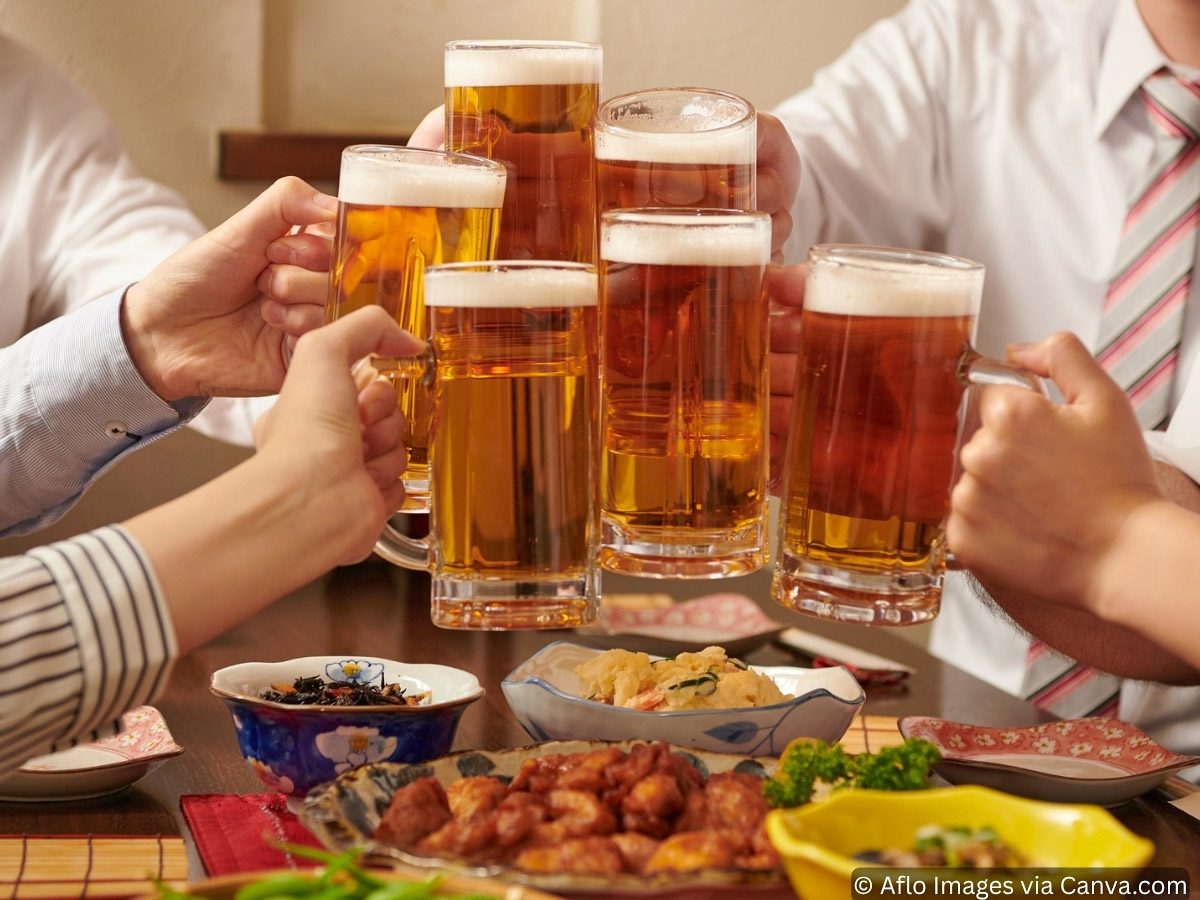
Traditional pubs (Wirtshäuser) serve beer until midnight, creating the foundation of Munich's social scene. Popular local beer brands include Augustiner Bräu, Paulaner Bräuhaus, and Löwenbräukeller which maintain centuries-old brewing traditions.
You'll find traditional pubs and beer halls scattered throughout the city, with some iconic examples being the Hofbräuhaus and the multi-level Augustiner Bräustuben. Many of these, like the Königlicher Hirschgarten, have historical significance and serve as major social and cultural hubs.
Hofbräuhaus remains open until midnight, though beer service stops at 10:30 PM. The atmosphere grows livelier as evening progresses, with music and singing reaching peak energy around 9 PM.
What to Expect in Traditional Pubs:
- Entering a traditional beer hall requires accepting communal seating.
- Long wooden tables accommodate strangers who share benches and conversation.
- Look for "Stammtisch" signs marking regulars' reserved tables—choose different seats.
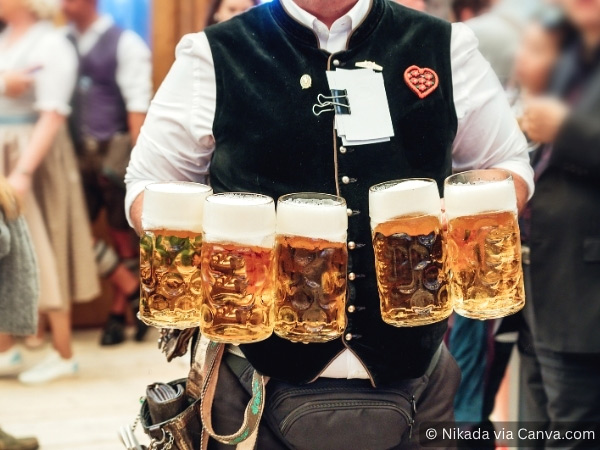
- Servers wear traditional Tracht (dirndls for women, lederhosen for men).
- Order by the Maß (one-liter mug) rather than smaller servings.
- Beer arrives quickly, food takes longer.
- Dancing on benches is acceptable; standing on tables draws disapproval.
Music starts around 7 PM in most pubs and halls. Bands play traditional Bavarian brass music early, transitioning to drinking songs and modern hits as crowds grow merrier. Several of the city's most famous beer halls and gardens have daily live Bavarian music, typically provided by brass bands or small traditional folk grounps.
Modern Nightlife Districts:
Glockenbachviertel:
Glockenbachviertel is known for its trendy bars and clubs, serving as the go-to spot for a more modern, upbeat night scene. Bars line Müllerstrasse and surrounding streets. The neighborhood welcomes LGBTQ+ visitors with numerous gay bars and clubs.
Schwabing:
Schwabing's nightlife centers on Leopoldstrasse and Feilitzschstrasse. Sophisticated bars and pubs attract locals and students. The vibe remains more relaxed than Glockenbachviertel while offering extensive options.
Haidhausen:
Haidhausen provides quieter alternatives with cozy wine bars and intimate venues. Hidden gems reward exploration in this neighborhood east of the city center.
Clubs and Late-Night Venues
Main club venues such as Neuraum and Kongresshalle can be found minutes from the Oktoberfest grounds. Other popular venues include:
- Nachtgalerie, a large club particularly popular among a stylish and sophisticated crowd, and it can be a bit challenging to get into, reached via tram 18 or 19.
- P1 attracts upscale crowds with strict door policies. Dress well and arrive before midnight for best entry chances.
- Zephyr and Muffatwerk host live music and club nights in former industrial spaces.
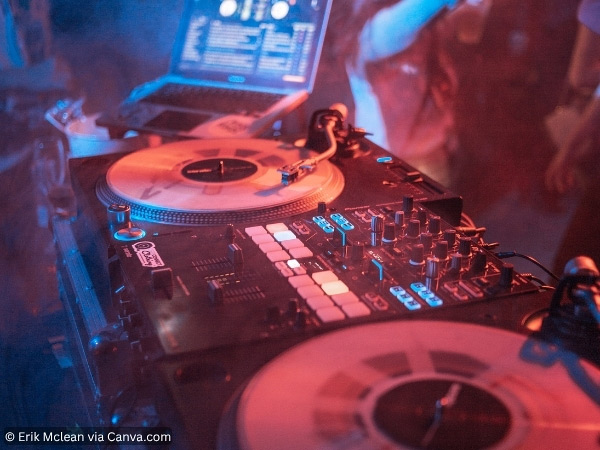
- Harry Klein and Blitz Club serve techno enthusiasts.
Cover charges range €5-20 depending on venue and event. Drinks cost €4-8 for beer, €6-11 for wine, €8-15 for cocktails. Clubs stay open until 4-5 AM on weekends.
Dining Options:
Munich's Menus & Restaurant Options
Munich offers numerous dining options, from traditional Bavarian and upscale fine dining to international cuisine and casual eateries.
Bavarian cuisine centers on hearty portions, quality ingredients, and beer pairing traditions spanning centuries.
Traditional Dishes:
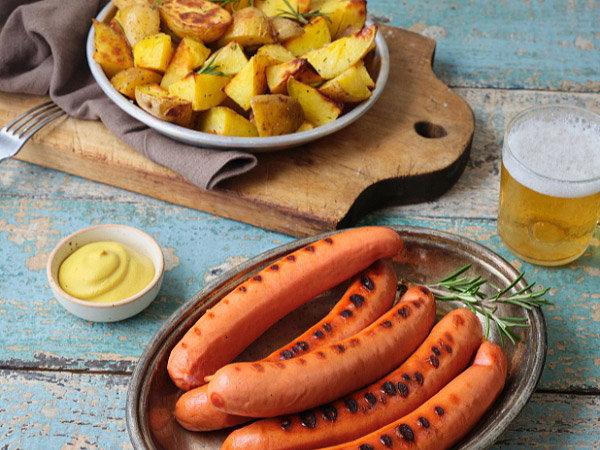
- Weisswurst. Munich's signature white sausage contains minced veal and pork back bacon, seasoned with parsley, mace, and lemon zest. Traditional consumption occurs before noon, though many restaurants now serve it all day. The sausage arrives in hot water with sweet mustard (Süßer Senf) and fresh pretzels. Remove the casing before eating—the skin stays on your plate.
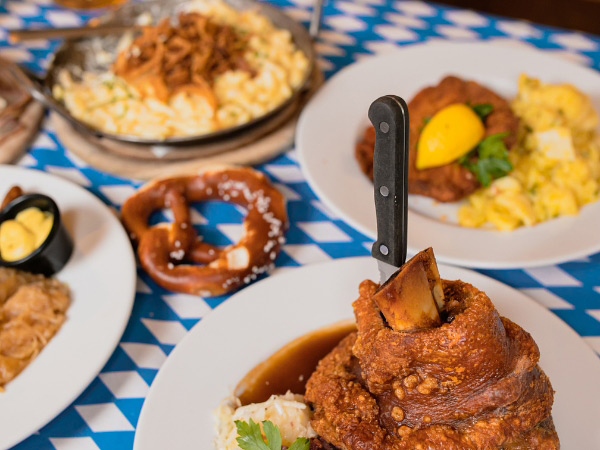
- Schweinshaxe. Roasted pork knuckle features crispy skin protecting tender, slow-cooked meat. Kitchens roast the knuckle low and slow, creating fork-tender results. Servings come with potato dumplings (Kartoffelknödel) and sauerkraut or red cabbage.
- Pretzels (Brezeln). Bavarian pretzels achieve crispy exteriors and soft centers through specific baking techniques. The golden-brown twists arrive sprinkled with coarse salt. Dip them in sweet mustard or spread with Obatzda cheese.
- Obatzda. Beer garden staple Obatzda mixes soft cheeses like Camembert with butter, cream, paprika, onions, and garlic. The spreadable mixture gets garnished with chives and served with pretzels or bread..
- Schnitzel and Hendl. Breaded and fried meat cutlets (Schnitzel) typically use pork or veal. Grilled chicken (Hendl) appears everywhere from beer gardens to Oktoberfest tents, usually served half per person.
- Käsespätzle Bavaria's answer to mac and cheese layers egg noodles with copious cheese and caramelized onions. The dish bakes until a crispy crust forms on top.
Where to Eat
Traditional Beer Halls:
Hofbräuhaus ranks as Munich's most famous beer hall. Founded in 1589, it serves Hofbräu Dark Beer, Hofbräu Original, and Münchner Weisse. Live music fills the space while strangers share long wooden tables and benches. The atmosphere buzzes with singing, dancing, and conversation.
Augustiner-Keller represents Munich's oldest beer garden, serving Augustiner beer directly from wooden barrels. Schneider Bräuhaus specializes in wheat beer and traditional Kronfleisch.
Beer Gardens:
Munich's beer garden tradition allows bringing your own food while purchasing drinks from self-service bars. Biergarten Hirschgarten near Nymphenburg Palace seats thousands. Chinesischer Turm at the English Garden accommodates 7,000 guests beneath a Chinese pagoda.
Viktualienmarkt's beer garden offers central location and monthly rotating beers from Munich's famous breweries. The Aumeister sits in the English Garden's northern section.
Avoiding Tourist Traps:
- Wirtshaus Zum Kloster in Haidhausen serves Bavarian classics in a long-established neighborhood pub.
- Ratskeller occupies the New Town Hall's cellar, serving excellent Bavarian specialties.
- Weisses Brauhaus provides authentic atmosphere with locals dominating the crowd.
Cafe Frischhut near Viktualienmarkt bakes fresh pretzels and Schmalznudeln (sweet fried dough) daily. Lines form early for these local favorites.
Please Note: The above information is for guidance only and may change without notice. Please confirm details with suppliers before making plans.
Munich's Food & Nightlife Scene in Pictures
Munich's Shopping Guide and Essential Tips
Flight4’s shopping tips help you discover the best places to shop in Munich. The city has something for every style and budget, with each neighborhood offering its own unique charm.
Please note: All prices are approximate, itineraries are suggestions only, and information is subject to change. Please verify with official sources.
Yes, Munich is good for shopping, with options from luxury brands and department stores to trendy boutiques and flea markets. Popular areas include Kaufingerstraße and Neuhauser Straße, the luxury shops on Maximilianstrasse, and the boutiques in the Glockenbach district.
Maximilianstrasse reigns as Germany's most expensive boulevard. Built by King Maximilian II in the 19th century, luxury brands like Armani, Chanel, Dior, Escada, Hermès, and Gucci line the street alongside jewelers like Bulgari. The Hotel Vier Jahreszeiten Kempinski anchors the street, dating to 1858.
Louis Vuitton's Munich Maison occupies the Residenzpost building at Maximilianstrasse's entrance. Architect Peter Marino designed the store like a grand villa, similar to Paris and London flagships.
Fünf Höfe (Five Courtyards) on Theatinerstrasse offers covered luxury shopping. Herzog & de Meuron designed the arcades featuring Patrizia Pepe, Muji, Karl Lagerfeld, and premium designers. Hanging gardens and Ólafur Elíasson's suspended sphere transform shopping into sensory experiences.
Kaufingerstrasse and Neuhauser Strasse form pedestrian zones hosting H&M, Zara, and international chains. Oberpollinger department store spans five floors with Gucci, Miu Miu, and Prada. The rooftop restaurant provides rest after shopping marathons.
Ludwig Beck department store occupies seven floors near Marienplatz. The selection ranges from traditional Bavarian Tracht to contemporary fashion, cosmetics, and homeware.
Sendlinger Strasse offers calmer browsing with outdoor shops, boutiques, and cafes. Glockenbachviertel around Gärtnerplatz attracts those seeking independent labels and vintage finds. Schwabing's Hohenzollernstraße mixes traditional shops with modern concept stores selling sustainable and Scandinavian fashion.
Viktualienmarkt provides shopping that doubles as cultural immersion. Beyond food stalls, vendors sell handmade soap, flowers, and Bavarian souvenirs.
Munich's Christmas markets transform the city from late November through December. The Marienplatz Christkindlmarkt ranks as the largest and most traditional. Stalls sell handmade ornaments, gifts, and seasonal treats. Glühwein (mulled wine) warms cold hands while bratwurst satisfies hunger.
The Chinese Tower Christmas market in the English Garden provides magical forest setting. Tollwood Winter Festival at Olympiapark combines market with concerts and performances.
Disclaimer
Articles & Guides
Efforts have been made to ensure the accuracy of the information at the time of writing; however, we cannot guarantee the overall correctness of this guide. Please refer to our Site Disclaimer for details. When using this site, Flight4 may earn an affiliate commission; please see our Affiliate Statement for more information.
About the Author
Book With Our Partners
Some links below are affiliate links; we may earn a commission at no extra cost to you. Each service is booked directly with its provider, on their terms. Flight4 does not sell or organise travel, or offer these as a package or combined travel arrangement. Affiliate Statement
Personalises the options below

How we score tour and ticket platforms
Skip-the-line tickets and guided tours across Munich, bookable instantly online.
View Munich Tours
Compare central Munich hotels with free cancellation on most rooms.
View Munich Hotels
Compare hundreds of airlines for the cheapest route into Munich.
Search Munich Flights
How we score airport transfer platforms
Pre-booked airport transfers to and from Munich, at a fixed price with flight tracking.
View Munich Transfers
How we score car hire platforms
Compare car hire suppliers for getting around Munich and the wider region.
Compare Munich Car Hire