

Zurich Tourist FAQs 2027: 20 Essential Questions Answered
-
Questions Answered
20 FAQs
-
Daily Budget From
CHF 100+
-
Safety Index
76.7 / 100
-
Best Months
May-Jun, Sep
-
Day Pass From
CHF 9.20
-
Flights to Zurich
Book Now
In This Zurich FAQs Guide
Zurich Traveller FAQs: What First Timers Want to Know
Zurich sits on a lake at the foot of the Alps, and most visitors arrive with a short list of practical questions: how many days to stay, how expensive it really is, and whether the city lives up to its reputation as a stopover before the mountains.
The most useful way to plan is to split your questions into two groups: logistics you settle before you fly, such as flights and how to move around once you land, and experience questions you settle once you know your dates, such as where to eat or where the best nightlife sits. This guide answers both, with prices (checked August 2026) throughout.
Flight4 Travel Tips: Below you will find honest answers to 20 of the questions UK travellers ask most often about Zurich, covering trip length, cost, weather, family travel, nightlife, safety, and the best day trips, alongside links to our dedicated guides on transport, hotels, and sightseeing for anyone ready to go deeper.
Please note: All tour & attraction prices, descriptions, availability, and operator details are subject to change. All prices are approximate and for guidance only. Always confirm details and avilability directly with venues or booking platforms before purchase. Please see our Site Disclaimer for further details.
Trip Planning: Duration, Timing and Itineraries
These are the questions that come up first, usually weeks before departure, when you are deciding how many nights to book and which dates to choose.
Is Zurich a Good City Break Destination?
Yes. Zurich combines a compact, walkable Old Town with a genuinely swimmable lake and some of the best rail connections in Europe, which makes it equally strong as a standalone weekend or as the start or end point of a longer Swiss trip. The Zurich tourism region recorded 7,556,846 overnight stays in 2025, a 3.5 percent increase on the year before and a new high, which tells you demand is rising rather than coasting on reputation.
How Many Days in Zurich Is Enough?
Two full days covers the Old Town, the lake, and one major museum without feeling rushed. Three days adds the Uetliberg viewpoint and a more relaxed pace. Four or more days makes sense if Zurich is your base for a train day trip to Lucerne or the Rhine Falls, since both sit under an hour away by direct train.
| Trip Length | What You Cover | Best For |
|---|---|---|
| 1 day (layover) | Old Town, Bahnhofstrasse, lakefront | Airport layovers, business add-ons |
| 2 days | Old Town, lake cruise, one museum | Weekend city breaks |
| 3 days | Above plus Uetliberg and Zurich West | First time visitors wanting full coverage |
| 4+ days | Above plus a day trip to Lucerne or Rhine Falls | Using Zurich as a Swiss touring base |
What Is the Best Month to Visit Zurich?
May, June, and September give you the best mix of mild temperatures, long daylight, and crowds that have not yet peaked. July and August are warmest, with lake swimming at its best, but also the wettest months and the most expensive for hotels. December brings genuine Christmas market charm despite the cold, while January and February are coldest and quietest, with daytime highs often close to freezing.
What to Do in Zurich for Three Days?
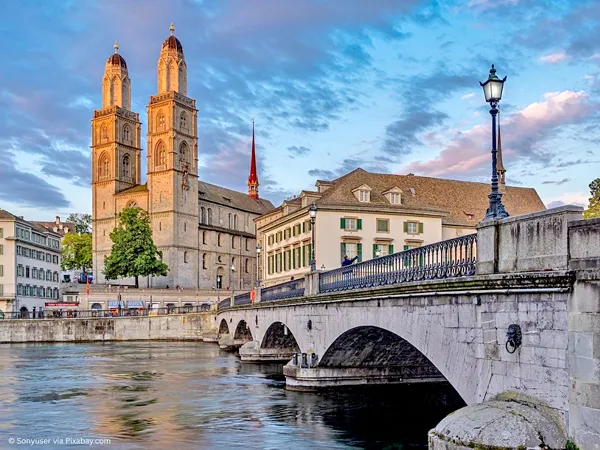
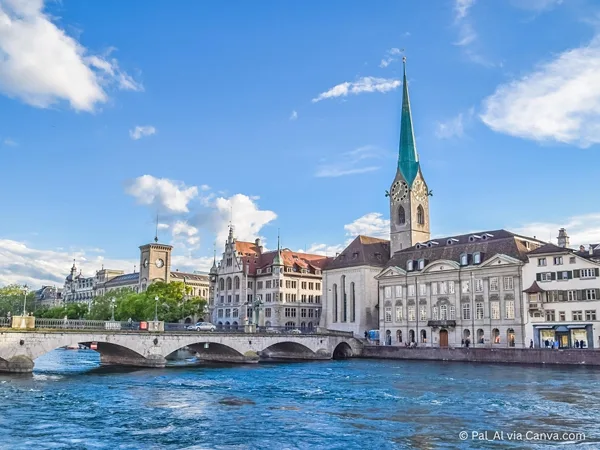
Day one is the Old Town: the Grossmunster and Fraumunster churches, the cobbled lanes of Niederdorf, and a walk down Bahnhofstrasse. Day two is the lake: a boat cruise, the lakefront promenade, and a major museum such as the Kunsthaus. Day three is Uetliberg in the morning for panoramic Alpine views, followed by an evening exploring the converted industrial bars of Zurich West. For a structured hour by hour plan, our sightseeing itinerary lays out exact routes and timings.
Flight4 Tip: Book your Uetliberg train trip for the first clear morning of your stay rather than saving it for last. Alpine views from the ridge depend entirely on visibility, and Zurich's weather can shift from one day to the next, so treat a clear forecast as your cue to go that day rather than your final day.
Getting Around and Managing Costs
Zurich's reputation for being expensive is well earned, but transport and food costs are manageable once you know the local shortcuts.
How Do You Get Around Zurich Using Public Transport?
The ZVV network covers trams, buses, trains, and lake boats under a single ticketing system, and the entire city centre sits within one/two fare zones (Zone 110). Trams run roughly every seven to ten minutes through the day and are punctual to the minute. A standard 24 hour day pass for the central zone costs around CHF 9.20, and the Zurich Card extends this with free or reduced museum entry built in. Our full transport guide covers zone maps, app downloads, and airport transfer options in detail.
Is Zurich Expensive to Visit for Tourists?
Yes. Zurich is consistently ranked among the most expensive cities in the world, and UK visitors should budget on a par with London, sometimes higher for dining and drinks. The table below gives a realistic daily range depending on travel style.
| Budget Level | Daily Spend (excl. flights) | What's Included |
|---|---|---|
| Budget | CHF 120-150 | Hostel, supermarket meals, transport pass |
| Mid range | CHF 200-280 | 3-star hotel, sit-down meals, attractions |
| Luxury | CHF 500+ | 5-star hotel, fine dining, private tours |
Is It Expensive to Eat Out in Zurich?
Yes, dining is one of the biggest line items on a Zurich trip. A weekday lunch set menu, the Mittagsmenu, typically costs CHF 25 to 30, while an a la carte dinner main runs CHF 35 to 50, with a full three course evening meal commonly reaching CHF 70 to 90 per person before drinks. To eat well without overspending, lean on the lunch specials, the hot food counters at Migros and Coop supermarkets, and the classic St. Galler Bratwurst street stalls, which keep a filling meal closer to CHF 10 to 15. Service is included by law, so rounding up the bill is the norm rather than adding a separate tip. Our dining guide covers neighbourhood by neighbourhood restaurant picks at every budget.
Flight4 Tip: Order the Mittagsmenu wherever you see it chalked on a board outside a restaurant between 11:30 and 14:00. The same kitchen that charges CHF 45 for a main at dinner will often serve a near identical dish with soup or salad for CHF 25 to 28 at lunch, making it the single best value habit for cutting your food budget in Zurich.
The Zurich Experience: Families, Nightlife and Safety
Beyond logistics, most travellers want to know what Zurich feels like to visit, whether that means travelling with children, going out at night, or simply walking the streets after dark.
Is Zurich Good for Families With Children?
Yes. Zurich's safety record, immaculate public transport, and a good spread of child friendly attractions, including the lakeside zoo, interactive exhibits at the National Museum, and free swimming and play areas along the lake in summer, make it an easy city to travel with children. Trams and trains are stroller accessible, and restaurants are relaxed about children even in the evening. The main adjustment for families is cost, since family rooms and multiple museum tickets add up quickly in a city already at the premium end of European pricing, so check our hotel guide for family room options before booking.
Is Zurich Safe to Visit as a Tourist?
Yes, and by a wide margin. Violent crime against visitors is genuinely rare. The realistic risk is pickpocketing in crowded tourist areas, particularly Zurich HB train station and Bahnhofstrasse during peak shopping hours and the Christmas market period. Standard precautions around bags, phones, and back pockets apply, but Zurich does not require the heightened vigilance that some major European capitals do. The Langstrasse district (Zurich's nightlife and historic red-light area) can occasionally feel rowdier or more chaotic late at night compared to the quiet nature of the rest of the city.
What Is the Nightlife Like in Zurich?
Nightlife splits clearly by district. Zurich West, around the converted industrial halls of Im Viadukt, holds the city's club and electronic music scene alongside craft beer bars and late night food, and runs later and louder than Zurich's buttoned-up daytime reputation suggests. Niederdorf in the Old Town offers a denser concentration of bars and pubs within walking distance of each other, popular with both visitors and locals on weeknights, while Langstrasse adds a grittier, more eclectic mix of clubs and late bars. Thursday to Saturday is when the scene is at its fullest. Our dedicated nightlife guide breaks down each district by atmosphere and price point.
Where Is Best to Stay in Zurich for First Timers?
District 1, covering the Old Town and the area immediately around Zurich HB, is the most practical base, putting every major sight and the airport train within easy walking or tram reach. Seefeld, along the lake's eastern shore, suits travellers who prefer a quieter, more residential feel with direct lake access. Zurich West appeals to younger visitors prioritising nightlife and a contemporary atmosphere over proximity to the historic centre. For seamless arrival, our airport transfer guide covers the fastest routes from each terminal into these districts.
Flight4 Tip: If you are travelling with children under ten, Seefeld is worth the slightly longer tram ride into the centre. The lakeside parks and play areas give kids somewhere to run that the dense, cobbled Old Town simply does not offer, and most Seefeld hotels are quieter at night than equivalents nearer Niederdorf.
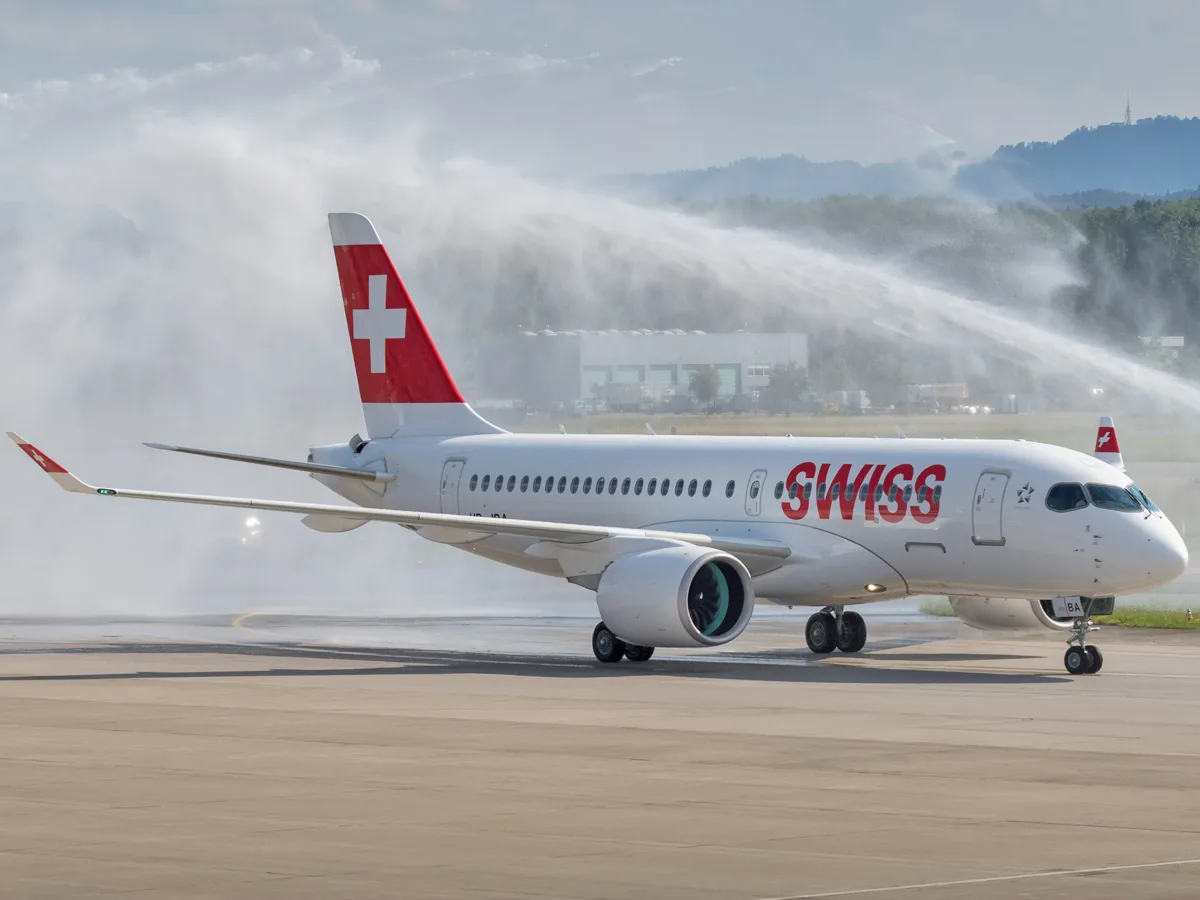
Zurich: Tours & Excursions in Pictures


Practical Matters: Weather and Etiquette
A handful of practical questions catch first time visitors off guard, mostly around weather expectations and unwritten local rules.
What Is the Rainy Season in Zurich?
Zurich sees rain in every month of the year, but precipitation peaks between May and August, with June typically the wettest month at around 140mm. The rain usually falls as short, sometimes heavy summer showers rather than prolonged grey spells, so it rarely writes off a whole day. February is statistically the driest month, though also the coldest, so dry weather and pleasant temperatures rarely align in the same trip.
| Season | Months | What to Expect |
|---|---|---|
| Spring | March-May | Avg Highs: 10°C to 19°C | Avg Lows: 1°C to 8°C, moderate rain, blossoming Old Town |
| Summer | June-August | Avg Highs: 22°C to 24°C | Avg Lows: 11°C to 13°C19-24°C, wettest months, lake swimming season |
| Autumn | September-November | 5-19°C, clearer skies, fewer crowds |
| Winter | December-February | -2-7°C, driest months, Christmas markets |
What Not to Do in Zurich as a Tourist
- Do not jaywalk. Crossing against a red pedestrian signal, even on an empty street, draws disapproving looks at minimum, and Swiss pedestrians and police take road rules seriously.
- Do not assume one payment method works everywhere. Contactless card and mobile payment are near universal, but a handful of small kiosks and market stalls remain cash preferred, so carry a little CHF as backup.
- Do not skip validating your transport ticket. Inspections happen regularly across the ZVV network, and fines are issued without leniency for tourists who claim they did not understand the system.
- Do not expect to negotiate prices. Pricing is fixed everywhere from markets to hotels, and attempting to haggle will simply confuse staff.
- Do not be loud on trams or trains. Swiss public transport carries an unspoken expectation of quiet, particularly on early morning and evening commuter services.
Local Customs
- Quiet Hours: Sundays are protected rest days, and noise should be kept to a minimum. Avoid activities such as vacuuming, mowing lawns, or using glass recycling bins. Daily quiet hours also apply between 22:00 and 06:00.
- Greetings Matter: A friendly "Grüezi" when entering a small shop or bakery, and "Adieu" or "Uf Wiedersehne" when leaving, is considered polite.
Dining & Shopping
- Drink the Tap Water: Zurich's public fountains provide excellent drinking water unless marked "Kein Trinkwasser" (not drinking water).
- Tipping: Service is included in restaurant prices, but locals often round up the bill by a few francs for good service.
- Sunday Shopping: Most shops close early on Saturdays and remain closed on Sundays. For essentials, head to the shops at Zürich Hauptbahnhof or Zürich Airport.
Flight4 Tip: Pack a compact umbrella regardless of which month you visit. Even in the driest months, Zurich's proximity to the Alps means weather can shift within an hour, and a sudden shower rarely lasts long enough to justify ducking indoors for the rest of the day.
Beyond Zurich: Day Trips and Booking Tours
Zurich's position in the heart of Switzerland's rail network means some of the best parts of a Zurich trip happen outside the city itself.
What Are the Best Places to Visit Near Zurich?
Lucerne, forty five minutes away by direct train, pairs the iconic Chapel Bridge with lake and mountain scenery and is the single most popular day trip from Zurich. The Rhine Falls at Schaffhausen, also around forty five minutes by train, is Europe's most powerful waterfall, with roughly 600 cubic metres of water per second - cascading over a 23 metre drop during summer floods, and combines well with the painted medieval facades of Stein am Rhein further along the river. Rapperswil, known as the Town of Roses on the far eastern end/upper shore of the lake, makes an easy half day trip reachable by train in thirty minutes - or by a more scenic two hour lake boat.
Should Zurich Be Included in a Tour of Switzerland?
In most cases, yes. Zurich Airport is the country's busiest international gateway, so the majority of Switzerland itineraries begin or end here regardless of personal preference, and the rail connections make the city an efficient base for reaching Lucerne, Bern, Basel, and the Bernese Oberland within ninety minutes to two hours. Travellers focused purely on Alpine scenery sometimes pass straight through, but doing so means missing a genuinely distinctive lakeside city, different in character from the smaller mountain towns most Swiss itineraries otherwise consist of.
How Do You Book Sightseeing Tours and Attractions for Zurich?
GetYourGuide, Viator, and Tiqets all carry strong inventories of Zurich tours, from city walking tours to Rhine Falls and Lucerne day trips, with free cancellation on most bookings. Major museums including the Kunsthaus and the National Museum can be booked directly through their official sites for guaranteed entry on busy days.
For multi attraction value, the Zurich Card bundles transport with free or discounted museum visits and is best bought in advance through the official ZVV site, zuerich.com, via the official Zürich City Guide App, or on arrival at the airport welcome desk.
Flight4's tours and excursions guide compares the leading platforms and our attraction ticket guide breaks down individual venue pricing in full. If you want to round out your trip beyond the obvious highlights, our shopping guide covers Bahnhofstrasse and beyond, and the hidden secrets guide rounds up the spots most first time visitors walk straight past.
Flight4 Tip: If you only have time for one day trip, choose Lucerne over the Rhine falls in poor weather and the Rhine Falls over Lucerne in good weather. Lucerne's old town and museums work well under cover, while the Rhine Falls are dramatically better experienced with the optional boat ride, which can experience scheduling cuts or cancellations during severe weather conditions.
Zurich Traveller FAQs: FAQs
More Zurich Travel Guides
Planning your Zurich trip? Use these dedicated guides to go deeper on flights, transport, hotels, food, nightlife, shopping, tours, and a full sightseeing itinerary:
Zurich Flights Guide
Transport Guide
Zurich Hotel Guide
Sightseeing Itinerary
Zurich Dining Guide
Nightlife Guide
Shopping Guide
Tours & Excursions
Attraction Ticket Guide
Airport Transfers
Zurich Hidden Secrets
Search Attraction Tickets
About the Author
Disclaimer: Prices, transport fares, opening hours, and weather averages are subject to change. All figures listed are approximate rates (checked August 2026) and seasonal averages, provided for guidance only. Always confirm current pricing and conditions directly with the relevant provider before booking. Some links in this guide are affiliate links, which means Flight4 may receive a commission at no extra cost to you when you book through them.
Book With Our Partners
Some links below are affiliate links; we may earn a commission at no extra cost to you. Each service is booked directly with its provider, on their terms. Flight4 does not sell or organise travel, or offer these as a package or combined travel arrangement. Affiliate Statement
Personalises the options below

How we score tour and ticket platforms
Skip-the-line tickets and guided tours across Zurich, bookable instantly online.
View Zurich Tours
Compare central Zurich hotels with free cancellation on most rooms.
View Zurich Hotels
Compare hundreds of airlines for the cheapest route into Zurich.
Search Zurich Flights
How we score airport transfer platforms
Pre-booked airport transfers to and from Zurich, at a fixed price with flight tracking.
View Zurich Transfers
How we score car hire platforms
Compare car hire suppliers for getting around Zurich and the wider region.
Compare Zurich Car Hire