

Zurich Hidden Secrets: Quirky and Dark Places Most Tourists Never Find
-
Free Attractions
21 Museums
-
Dark History Tours
From £12
-
Secret Viewpoints
5 Spots
-
River Swimming
Free Entry
-
Local Festivals
Year-Round
-
Old Town by Foot
20 Minutes
The Secret Side of Zurich
Walk down a narrow lane off Niederdorf after dark and Zurich stops looking like a banking capital entirely. Medieval stonework, a ghost story on every corner, and a river you are actively encouraged to swim through. Switzerland's largest city keeps its best material well off the tourist maps.
Most visitors stick to Bahnhofstrasse, the Grossmünster, and Lake Zurich, which is entirely reasonable. But the city divides neatly into two experiences: the polished front facing tourists and a much stranger, more interesting back half that rewards anyone willing to walk five minutes further. The Zurich sightseeing itinerary covers the headline attractions; this guide covers everything else.
Flight4 Travel Tips: This guide covers Zurich's dark history walks and ghost tours, the most unusual museums in the city, secret viewpoints locals actually use, hidden bathing spots, quirky local festivals, and a unique selection of off-the-beaten-path tours for 2027.
Please note: All information (descriptions, suitability, availability, terms, and prices) is for informational purposes only and may change without notice. Verify details directly with the venue or booking agent before purchasing.
Zurich's Dark History: Witches, Executions, and Medieval Secrets
Zurich's Old Town looks handsome in daylight. After dark, or with the right guide, it reads completely differently.
The city burned witches, beheaded saints, ran public executions on its main squares, and built its medieval power through a system of guilds that controlled everything from baking to sword-making. Almost none of this appears on standard city maps.
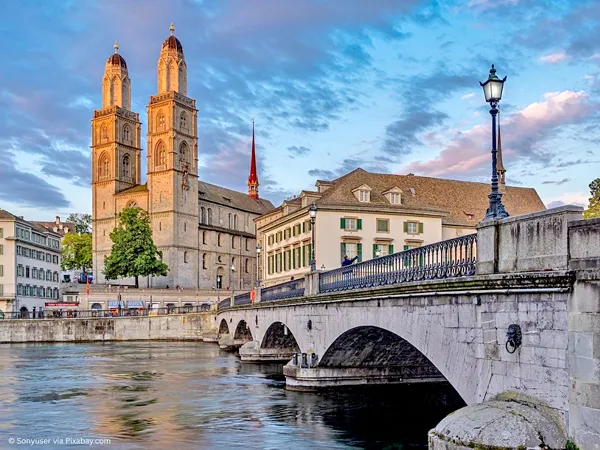
The Grossmünster church, which every visitor photographs, is where the Protestant Reformation took hold under Huldrych Zwingli in 1519. What fewer people know is that the two patron saints of Zurich, Felix and Regula, were beheaded nearby around 286 AD. According to the legend, they then picked up their own heads and walked to the spot where the Grossmünster now stands. The city chose this as its founding story.
The Dark Side of Zurich: Self-Guided Audio Tour
Available on GetYourGuide and through the VoiceMap app, this GPS-triggered audio tour takes you through Zurich's medieval Old Town covering the Great Fire of 1218, the Black Death at St. Peter's Church, the executioner's house, witch trials, and the legacy of the city's Reformation. It runs approximately 120 minutes and operates at your own pace.
The route starts at Paradeplatz and moves northward through the Old Town. You will hear about the house where a wealthy Zurich woman was executed for witchcraft, the square where death sentences were announced publicly, and the spot where those going to executions left the city. Prices start from around CHF 12 per person. The Zurich attraction ticket guide has further information on booking platforms and discount passes.
The Night Watchman Tour
This is an official Zurich Tourism experience, booked through zuerich.com. A guide in period costume leads groups through the Old Town after dark in the role of a medieval night watchman, covering plague outbreaks, fires, harsh sentences, and the darker corners of the city's history. Public tours require a minimum of five participants and are confirmed by 3pm on the day of the tour.
The experience is genuinely atmospheric rather than theatrical. It suits anyone who wants historical depth without the ghost-story entertainment angle. Book through Zurich Tourism for current pricing and dates. If you are already exploring Zurich tours and excursions, this makes a natural evening addition to a daytime walking tour.
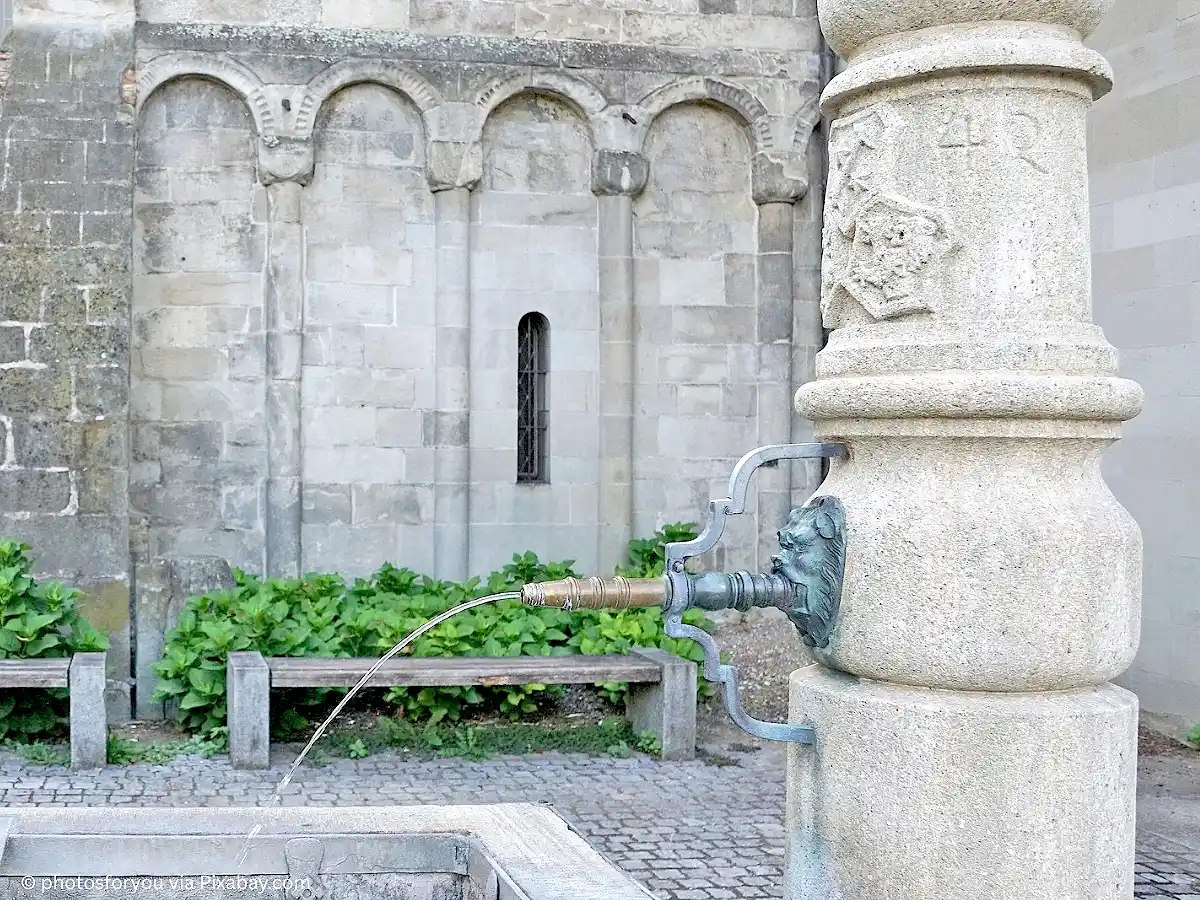
Zurich: Secrets of the city in Pictures


Secret Viewpoints and Quiet Spaces Locals Actually Use
Uetliberg gets all the attention as Zurich's best viewpoint, and it is genuinely good. However there are four other vantage points that give equally rewarding views without the train queues or the summit crowds. These are the spots locals use.
The Polyterrasse at ETH Zurich
Take the Polybahn funicular from Central station, a 90-second ride on a railway that has been running since 1889, and you arrive at the ETH Zurich campus terrace. The Polyterrasse gives panoramic views over the city's rooftops, the Limmat River winding through the centre, Lake Zurich in the distance, and on clear days the Alps beyond. It is free once you pay the small funicular fare. It was also, incidentally, the campus where Albert Einstein studied.
Most tourists walk past the Polybahn entrance and take the steep steps instead. Do the opposite. The view from the terrace is better than anything you get from the streets below, and the funicular itself is a charming piece of Zurich transport history. See the Zurich transport guide for tram and funicular connections across the city.
Lindenhof Hill: The Roman Fort
Lindenhof is the site of a Roman customs post and fort, dating from around the 1st century AD. The hill sits in the heart of the Old Town and gives direct views across to the Grossmünster and the river below. Local chess players use the oversized outdoor chess sets here in the afternoons. It is free, five minutes' walk from Bahnhofstrasse, and most visitors miss it entirely because there is no prominent signage on the main shopping street.
Rigiblick: Dinner Above the City
Rigiblick is a restaurant and theatre on Zurich's eastern hillside with exceptional views over the city below. It is reachable by taking Tram 9 or 10 to the "Seilbahn Rigiblick" lower tram stop, which is located in the Oberstrass district. From there, the Funicular Rigiblick takes you directly to the top. The restaurant is well regarded and prices reflect that, but the terrace views at sunset are worth the detour even if you stop only for a drink. It is a genuine locals' choice for a special evening and requires an advance booking for dinner.
Clouds Bar at Prime Tower
The Prime Tower is located next to the Hardbrücke train station in the Industriequartier (Zürich-West), around an area called Maagplatz. The Tower is Zurich's tallest building, and Clouds Bar occupies its upper floors. It is a cocktail bar with floor-to-ceiling windows and views over the entire city and beyond. Dress code applies. It is expensive by any measure. But for a single late-evening drink with an extraordinary view, it delivers something genuinely different from the cobblestoned ground-level experience. The surrounding Zürich-West district has undergone significant redevelopment and connects naturally to the creative quarter around the Viadukt arches.
Flight4 Tip: The Polyterrasse and Lindenhof are the two best free viewpoints in the city. If you want an evening with a view and a meal, Rigiblick is better value than the Prime Tower for food. If you want cocktails and height specifically, Clouds Bar wins. Budget these two options against each other before deciding.
Koch-Areal: Wild Garden and Urban Secrets
Koch-Areal opened as a public park in 2025, built on a former industrial site in the Kreis 9 (Altstetten/Albisrieden). Wild gardens, circus performers, and remnants of the site's industrial past sit alongside each other in an urban space that has rapidly become a gathering point for Zurich's younger residents. It is quiet on weekday mornings and lively on summer evenings. It is not yet in any major guidebook, which is precisely the point.
River Swimming and the Hidden Badi Culture
Zurich has a relationship with its rivers and lake that most northern European cities can only observe with envy. In summer, the city swims. Not in public pools, but in the Limmat River as it runs through the urban centre, in lake bathing houses that double as bars, and in a system of Badi (traditional Swiss outdoor bathing facilities) that have operated since the 19th century.
According to Zürich Tourism, the city has over 40 outdoor bathing facilities within easy reach of the centre. This is not a small fact. It fundamentally changes what a summer afternoon in Zurich looks like.
Flussbad Oberer Letten: Free River Swimming
The Flussbad Oberer Letten is a free river bathing facility on the Limmat, located a 10-minute walk from the main train station. There is a 400-metre swimming channel where the current carries you downstream through the facility and back up a ladder at the exit. There is a bar, a small kitchen, and a wooden deck for drying off. The atmosphere is relaxed and unselfconscious.
Entry is genuinely free of charge. This is one of the most enjoyable free activities in Zurich and requires no planning beyond arriving in a swimsuit. It is open from May to September, and the Gump Bar here is one of Zurich's most popular summer institutions.
The Limmatschwimmen: Swimming the City
Once a year, the city holds the Limmatschwimmen, an event where swimmers float down the Limmat River through sections of the city that are normally closed to swimmers due to boat traffic. In 2027 it takes place on 21 August, with 28 August as the alternative date in poor weather.
Registration is required and different starting sectors fill up quickly. The event includes both a timed challenge race and an open fun-swimming section. Participants receive a waterproof bag for clothing transport. Book through the official Limmatschwimmen website as soon as registration opens. Accommodation gets booked out around this date, so check the Zurich hotel guide early if planning around this event.
Rimini Bar and Barfussbar: The Hidden Evening Badi
Two Badi near the city centre operate an unusual dual function. The Männerbad Schanzengraben (Rimini Bar) runs as a men's-only swimming bath during daylight hours, then opens to all genders in the evening as one of Zurich's most atmospheric outdoor bars. Wooden decks, bean bags, Arabian-style lounge areas, pizza, and music set the tone. It closes around midnight.
The Frauenbad Stadthausquai operates in parallel, a women's-only bath during the day that opens as Barfussbar in the evenings, offering views across the Limmat to the Old Town. Both are tucked into the city in ways that make them genuinely hard to find without local knowledge. Neither appears prominently on standard tourist maps.
Flight4 Tip: Zurich's Badi culture is most active from June to August. If you visit outside this window, the river bathing is closed but the lake bathing facilities tend to have longer seasons. The Seebad Utoquai on Lake Zurich is the most architecturally impressive, built in the art nouveau style and over 120 years old.
Safety When Swimming in Zurich's Rivers
Swimming in the Limmat is permitted only in designated areas. Between Quaibrücke near Lake Zurich and the arts centre Dynamo, boat traffic makes swimming prohibited. Do not enter the water in unmarked sections. Current speeds vary and can be strong near the exits of river baths. The Flussbad facilities post warnings clearly. Strong swimmers handle the current without difficulty; weak swimmers should stay within the managed sections.
Unusual Tours and Off-the-Beaten-Path Experiences for 2027
The standard Zurich city walking tour hits the Grossmünster, Bahnhofstrasse, Lindenhof, and the lake. These are all worth seeing. The tours below go further, either into the city's darker history or into corners most guided groups never reach.
Hidden Zurich Walk with Local Guide (GetYourGuide)
Available through GetYourGuide, this two-hour small-group walking tour is specifically designed around places not on the standard tourist circuit. Stops include the Old Botanical Garden, Predigergasse (one of Niederdorf's most photogenic alleys), the University of Zurich's main building with its impressive courtyard, the Santiago Calatrava glass elevator in the Law Faculty, and the ETH campus terrace.
The guide also takes in the financial district's hidden courtyards and explains the guild system that shaped the city's medieval urban structure. Prices start from around CHF 35 per person. Small group sizes are maintained, which makes this meaningfully different from a standard group tour. Book through GetYourGuide or check the attraction ticket guide for current availability and pricing.
The Dark Side Walking Tour (Switzerland Viva Tours)
This two-hour private walking tour covers the Reformation under Zwingli, the Great Fire of 1218, the Black Death at St. Peter's Church, witch trials, and the role of Paradeplatz in the city's history of intrigue and concealed wealth. The guide frames Zurich's story through its tensions and conflicts rather than its achievements. The tour starts at Werdmühleplatz and covers the Old Town. Private bookings are available with advance notice.
Note: Many "Dark Side" or ghost-themed tours in Zurich operate as popular self-guided audio apps (like VoiceMap or GetYourGuide audio tours).
The Urban Mushroom Farm Tour
One of Zurich's more genuinely unusual experiences is a guided tour of a commercial urban mushroom farm located via a 7-minute train ride (S10 line) from the main station to Zürich Schweighof, followed by a short walk. The two-hour tour takes you inside a working operation and covers the cultivation of various mushroom species in an urban industrial setting. Available through GetYourGuide. Prices from around CHF 69 per person. This is either exactly your kind of thing or entirely not.
Old Town Hidden Corners: Self-Guided Exploration
Several areas reward unguided exploration if you know what to look for. Predigergasse in Niederdorf is one of the narrowest and most photogenic alleyways in the city. The Ehgraben, a medieval drainage ditch that once ran through the Old Town, is marked at various points along its former route. The Lindenhof Keller, a cellar space below Lindenhof Hill, has limited opening hours but gives access to Roman-era foundations beneath the modern city.
The university district above the Old Town, connecting ETH and the University of Zurich campus, contains a series of open courtyards, sculpture gardens, and architectural details that are entirely free to explore. It rewards a morning on foot rather than a specific itinerary. Take the Polybahn up and walk back down through the Old Town. You will cover most of the interesting areas without retracing your steps.
Fondue Tram: Quirky Dining on Rails
The Fondue Tram runs through Zurich's streets (during winter months) while passengers eat traditional cheese fondue on board a historic tram car. It is a genuinely local tradition rather than a tourist gimmick, and it has been running for years. The tram follows a circular route through the city over approximately two hours. Groups can book the entire tram; individual ticket seat sales are also available when spaces allow. Check zuerich.com for the current schedule and booking arrangements, for ticket sales try the ticket booking platform and operator: VBZ Event-Linie. This combines well with a stay near the centre, so check the hotel guide for the best-placed accommodation.
Local Festivals and Hidden Events Worth Planning Around
Zurich has several annual events that function almost entirely for local residents and get minimal coverage in international travel guides. These are not tourist-facing festivals in the usual sense. They are old, specific, and often genuinely strange. Planning a visit around one of them gives a very different view of the city.
| Event | When | What It Is | Cost |
|---|---|---|---|
| Sechseläuten | Late April | Spring guild festival; burning of the Böögg snowman on Sechseläutenplatz | Free to watch |
| Limmatschwimmen | Mid August | Annual river swim through the city; only legal river swim event in Zurich | Registration required |
| Knabenschiessen | September | Youth shooting competition combined with Zurich's largest public fairground | Free to attend; rides paid |
| Samichlausschwimmen | Early December | Swimmers in Santa Claus costumes plunge into the Limmat in near-zero temperatures | Free to watch |
| Expovina Wine Fair | October–November | Traditional wine fair held across 10 boats moored on Lake Zurich | Entry fee applies |
| Zwänzgerle | March or April (depending on the calendar) | Quiet, focused charity game in the Old Town; locals compete for small coins | Free to observe |
| Open Space Tanz | Every Wednesday, mostly year-round | Free contemporary dance workshops at the Zurich Opera House | Free |
Sechseläuten: The Burning of the Böögg
Sechseläuten is Zurich's spring festival and one of the most unusual traditions in any European city. The climax involves burning a large snowman figure, the Böögg, stuffed with fireworks, in front of the Zurich Opera House while the city's guilds parade in historical costumes. The time it takes the Böögg's head to explode is taken seriously as a predictor of summer weather: a fast explosion means a good summer. A slow one means the opposite.
The guilds have their roots in the medieval trade associations that controlled Zurich for centuries. Watching the parade gives context to the city's street names, guild houses, and the political structure that shaped the Old Town. The burning itself happens at 6pm on the Monday. It is free to watch and very much a local occasion. Book flights and accommodation well in advance if planning around it. The Zurich flight booking guide has advice on timing and pricing for April visits.
Knabenschiessen: Zurich's Largest Annual Festival
The Knabenschiessen takes place mid September at the Albisgütli shooting range in the hills above the city. The tradition dates to 1656, when around 150 boys competed in a rifle shooting competition. Today it combines the shooting event with Zurich's largest annual fairground, attracting food stalls, market stands, amusement rides, and a festival atmosphere that spreads across the site over three days.
The shooting competition now includes girls as well as boys and continues to be taken seriously by participating families. The festival is open to everyone and has a genuinely local character rather than a tourist-focused presentation. It is a good reason to visit Zurich in September, when the weather is typically mild and the city is less crowded than in summer peak.
The Expovina Wine Fair on the Lake
Each autumn, 10 boats moored on Lake Zurich become the venue for the Expovina wine fair, one of the most atmospheric ways to taste wine anywhere in Switzerland. The boats are arranged along the lakeside promenade and visitors move between them to sample wines from Swiss and international producers. It is well attended by local wine professionals and has the kind of relaxed seriousness that characterises Zurich's better food and drink events.
For the most enjoyable Zurich dining and drinking scene beyond the hidden festivals, the Zurich dining guide covers the city's best restaurants, wine bars, and local food traditions in detail.
Planning Your Secret Zurich Adventure
Most of what makes secret Zurich interesting is walkable from the centre. The hidden museums, viewpoints, dark history walks, and Old Town alleyways sit within a 20-minute radius of the main train station. The river swimming facilities are even closer. You do not need a car, a tour bus, or a full day for any single item on this page.
How to Approach a Hidden Zurich Itinerary
The most effective approach is to split activities between morning exploration and evening experiences. The ghost tours and Night Watchman walk operate after dark. The river swimming and Badi culture runs from mid-morning onwards in summer. The museums and viewpoints are best in the morning before tour groups arrive.
- Morning (9am to noon): Polybahn to ETH Polyterrasse, walk down through the university district and Law Faculty, visit Moulagenmuseum (check hours in advance).
- Afternoon (noon to 6pm): Niederdorf alleyways and Old Botanical Garden, Rimini Bar from around 6pm in summer, Freitag Tower if staying in the western district.
- Evening (7pm onwards): Ghost Walk or Night Watchman tour (book in advance), or dinner at Rigiblick with views over the city.
What to Be Aware Of
- Zurich is expensive. Even free attractions cost you in transport and food. Budget CHF 40 to 50 per person per day for incidentals on top of accommodation. The airport transfer guide covers cost-effective arrival options from Zurich Airport.
- Many of the smaller museums and unusual venues have restricted opening hours and are closed on Mondays. Verify before going.
- The Night Watchman tour requires a minimum number of participants to run. Public tours can be cancelled on the day.
- River swimming is seasonal and conditions can change. Follow posted safety guidelines and do not swim in prohibited zones.
- Hidden Zurich is best explored on foot or by tram. Cycling is also an option. The city's tram network covers the Old Town, university district, and creative quarters comprehensively.
Flight4 Tip: The ZürichCARD covers unlimited public transport plus free entry to over 40 museums, including the Swiss National Museum and Kunsthaus Zurich. If you are planning more than two paid museums alongside the free ones, it typically saves money. It is available for 24-hour and 72-hour periods from Zurich Airport and the main train station.
Best Times to Explore Hidden Zurich
Summer (June to August) is peak season for river swimming and Badi culture, and the city has the best outdoor atmosphere. Crowds at the main attractions are at their heaviest. Spring (April to May) offers Sechseläuten and mild weather with fewer tourists. September offers Knabenschiessen, excellent weather, and the quietest version of the city's main attractions. Winter offers the Samichlausschwimmen in December and Christmas markets, but river swimming and the outdoor Badi culture are closed.
Zurich Hidden Secrets Guide: FAQs
Yes, for curious visitors with a strong stomach. The Moulagenmuseum holds over 1,800 lifelike wax models of human diseases and conditions, once used to train medical students at the University Hospital Zurich. Entry is free, the collection is extraordinary, and most tourists have no idea it exists. Information panels are in German only, so go prepared. It is not suitable for everyone, but for those interested in the history of medicine, it is genuinely unlike anything else in the city.
The Dark Side Walking Tour is a two-hour private walking tour covering the Reformation under Zwingli, the Great Fire of 1218, the Black Death at St. Peter's Church. The Dark Side of Zurich self-guided audio tour via VoiceMap and GetYourGuide is a solid solo alternative. These are not theme-park experiences. They cover real, dark history in vivid detail and the setting, cobblestoned Old Town lanes after dark, gives them genuine atmosphere.
Yes, and it is one of the most enjoyable free activities in Zurich in summer. The Flussbad Oberer Letten is a free river bath with a 400-metre swimming channel. The current carries you downstream through the city and there are entry and exit points along the way. The annual Limmatschwimmen (next on 21 August 2027, weather permitting) is the one day when swimming the full stretch of the Limmat through the city is officially permitted. Swimming is prohibited in certain zones due to boat traffic, so follow the posted signs.
The Polybahn is a small funicular railway that has been running since 1889, connecting Central station to the ETH Zurich campus. The ride takes around 90 seconds and drops you at the Polyterrasse, which gives panoramic views over the city rooftops, the Limmat River, Lake Zurich, and the Alps on clear days. It costs a few Swiss francs and most tourists walk straight past it. The ETH campus, where Albert Einstein once studied, is free to explore once you arrive.
The Rimini Bar is a former men's swimming bath on the Schanzengraben, hidden behind the old Zurich stock exchange. During the day it operates as a traditional Badi for men. After work hours, it opens to all genders as one of Zurich's most atmospheric outdoor bars, with bean bags, wooden decks, Arabic-style lounges, live music, and food. Go on a warm weekday evening to avoid the weekend crowds. It typically closes around midnight.
Sechseläuten is Zurich's spring guild festival, held each April. It ends with the burning of the Böögg, a snowman figure stuffed with fireworks, in front of the Opera House. The time it takes to burn is taken seriously as a predictor of the coming summer. The guilds parade in historical costumes beforehand. It is free to watch, very local in character, and gives genuine insight into the guild traditions that shaped the city. If your dates allow, it is one of the most distinctive events in the Swiss calendar.
If you're in the area, yes; if not and time is limited, perhaps miss. Located next to Hardbrücke station in Zurich's former industrial quarter, the Freitag Tower is built from 19 stacked shipping containers and stands 26 metres tall. The brand, famous for bags made from recycled truck tarpaulins, opened this as its flagship store in 2006. The views from the top are free and unusual, looking out over the Langstrasse creative quarter rather than the polished Old Town. Entry is free during shop hours. Combine it with a visit to Frau Gerold's Garden and the IM VIADUKT market hall nearby for a rewarding half-afternoon in the western district.
The Night Watchman tour is an official Zurich Tourism experience where a guide in period costume leads groups through the Old Town after dark, telling stories of medieval punishments, plague outbreaks, executioners, and witches. Public tours require a minimum of five participants and are confirmed by 3pm on the day. It is best booked in advance through Zurich Tourism and runs on selected evenings. It is the most historically rigorous of Zurich's after-dark tours and suits visitors who want substance alongside atmosphere.
Knabenschiessen takes place mid-September at Albisgütli. It is Zurich's largest annual public festival, combining a youth rifle shooting competition with a large fairground, food stalls, and market stands. The tradition dates to 1656. Visitors are welcome and the fair atmosphere makes it an engaging day out even for those with no connection to the shooting competition. September is also one of the best months to visit Zurich, with mild weather and noticeably fewer tourists than peak summer.
Yes, many. The Polyterrasse at ETH costs only the small Polybahn fare. The Moulagenmuseum is free. The Flussbad Oberer Letten river bath has no admission charge. The Old Botanical Garden is free to enter. Lindenhof Hill gives fine views over the Old Town for nothing. Zurich has 21 museums with selected free admission, including the Archaeological Collection, the Paleontological Museum, and the Civil Defence Museum inside a three-storey underground Cold War bunker. A surprising amount of what makes Zurich interesting costs nothing at all.
About the Author
More Zurich Travel Guides
Planning your Zurich trip? Use these dedicated guides to go deeper on flights, transport, hotels, food, nightlife, shopping, tours, and a full sightseeing itinerary:
Zurich Flights Guide
Zurich Transport Guide
Zurich Hotel Guide
Sightseeing Itinerary
Zurich Dining Guide
Zurich Nightlife Guide
Tours & Excursions
Airport Transfers
Shopping Guide
Zurich FAQs
Search Zurich Flights
Disclaimer: Attraction prices, transport fares, opening hours, and event dates are subject to change. All figures listed are approximate and provided for guidance only. Always confirm current pricing and availability directly with attractions, transport providers, or official tourism websites before travel. Please see our Site Disclaimer and travel and booking advice pages for full details. Flight4 may earn a commission on bookings made via links on this page; please see our Affiliate Statement for details.
Book With Our Partners
Some links below are affiliate links; we may earn a commission at no extra cost to you. Each service is booked directly with its provider, on their terms. Flight4 does not sell or organise travel, or offer these as a package or combined travel arrangement. Affiliate Statement
Personalises the options below

How we score tour and ticket platforms
Skip-the-line tickets and guided tours across Zurich, bookable instantly online.
View Zurich Tours
Compare central Zurich hotels with free cancellation on most rooms.
View Zurich Hotels
Compare hundreds of airlines for the cheapest route into Zurich.
Search Zurich Flights
How we score airport transfer platforms
Pre-booked airport transfers to and from Zurich, at a fixed price with flight tracking.
View Zurich Transfers
How we score car hire platforms
Compare car hire suppliers for getting around Zurich and the wider region.
Compare Zurich Car Hire